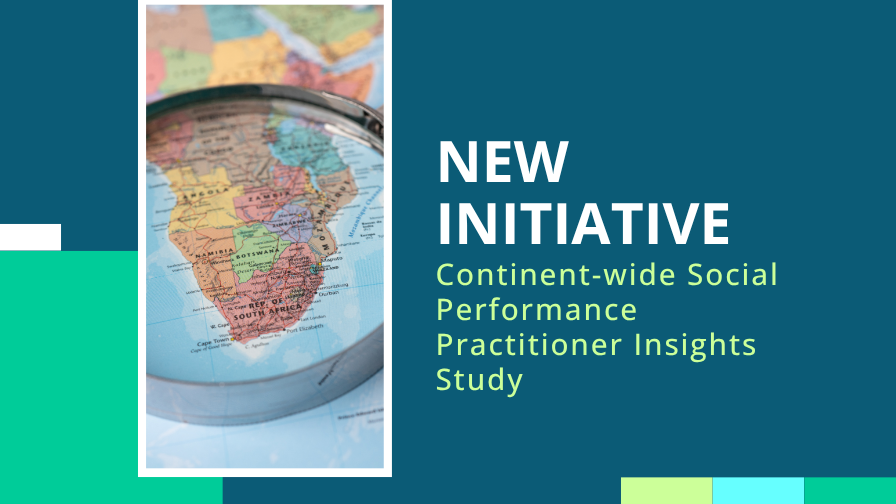

Last month, INSPIRE launched the Continental Practitioner Study on Advancing Social Performance in Renewable Energy Projects, developed in collaboration with and authored by Lesedi Komi, a Botswana-based Social Performance Practitioner. The study offers a continent-wide exploration of social performance in renewable energy projects, drawing on insights from fifteen practitioners working in diverse contexts. Its primary aim is to deepen understanding of the challenges faced by practitioners, discuss their strategies and review the community development and equitable benefit-sharing frameworks.
While technical research on renewable energy deployment is abundant, documentation on the role of social performance in ensuring project success remains limited. This study fills that gap, providing a first-of-its-kind account of how African practitioners interpret and implement social performance activities and the frameworks and practices that enable people-centred renewable energy development.
Launch Webinar: Connecting Findings to Practitioner Experience
To mark the launch, INSPIRE brought together experts and practitioners to reflect on the study’s findings and their implications for the future of social performance in Africa’s energy transition. Speakers engaged with the research and shared how their own professional journeys resonate with the themes raised.
Libby Hirshon, Chairperson of the INSPIRE Board, opened the session by reflecting on her extensive experience in Africa’s energy sector. She traced the evolution of social performance from informal community relations and corporate social investment in the early 2000s to today’s more structured and recognised approaches. She emphasised the importance of integrating social performance from the project outset, noting persistent challenges such as late involvement of practitioners, limited influence in decision-making and power imbalances between communities and project stakeholders. While highlighting South Africa as an example where regulatory frameworks have formalised practice, Libby noted that meaningful, long-term impact for communities remains inconsistent across the African continent.
Key Findings from the Continental Practitioner Study
Lesedi Komi presented the study’s findings, covering Botswana, Kenya, Nigeria, Tanzania, Tunisia, Zambia and Zimbabwe:
- Social performance is central to project success; it goes beyond corporate social investment to include impact management, livelihood protection and equitable benefit sharing.
- Strong community engagement and early involvement of social practitioners are critical.
- Challenges persist, including weak governance, mistrust, cultural sensitivities, unequal benefits and systemic power imbalances.
- Recommendations include stronger policy frameworks, early social performance integration, transparent stakeholder engagement and continuous monitoring.
Panel Discussion: The Business Case for Social Performance
Moderated by Yumnaa Firfirey of Towards Uhuru, the panel focused on the business case for social performance, particularly in Independent Power Producer (IPP) projects. Drawing on a forthcoming publication by INSPIRE on South Africa’s REIPPP programme to date, the discussion explored how organisations value social performance and whether it is strategically integrated at leadership level.
Tawanda Muzamwese, Chief Sustainability Consultant of Toxicon African Sustainability Consultants, highlighted the link between social performance and financial health, highlighting how poor practices, such as harassment or neglect of community concerns can lead to litigation, reputational damage and lost investor confidence.
Tony Tiyou, CEO of Renewables Africa, emphasised that neglecting social performance can result in incorrectly priced projects, delays and conflicts. In contrast, effective engagement enhances bankability, accelerates execution and secures community support, positioning social performance as a financial multiplier rather than a cost.
Lesedi reinforced the importance of early and robust community engagement in mitigates risks, preventing project delays and securing a social licence to operate. She cited examples across Africa where unresolved social issues, including land disputes and compensation, had halted projects.
Kathleen Kikuvi, a Social Safeguarding Specialist, highlighted the practical consequences of neglecting social performance, including financial losses, legal complications and reputational damage, particularly drawing on her experience in Kenya. She argued that strategic investment in social performance strengthens both profitability and long-term project sustainability.
Closing Reflections
The webinar reinforced that social performance is not a peripheral function, but a core driver of business success, project sustainability and risk management. As Africa’s energy transition accelerates, there is a growing need for practitioners to move beyond support roles and operate as strategic partners; working closely with governments, developers and communities.
Strengthening capacity, amplifying community voices and embedding social performance into project design from the outset is critical to delivering more equitable and sustainable energy outcomes across the continent.
Watch the webinar here: