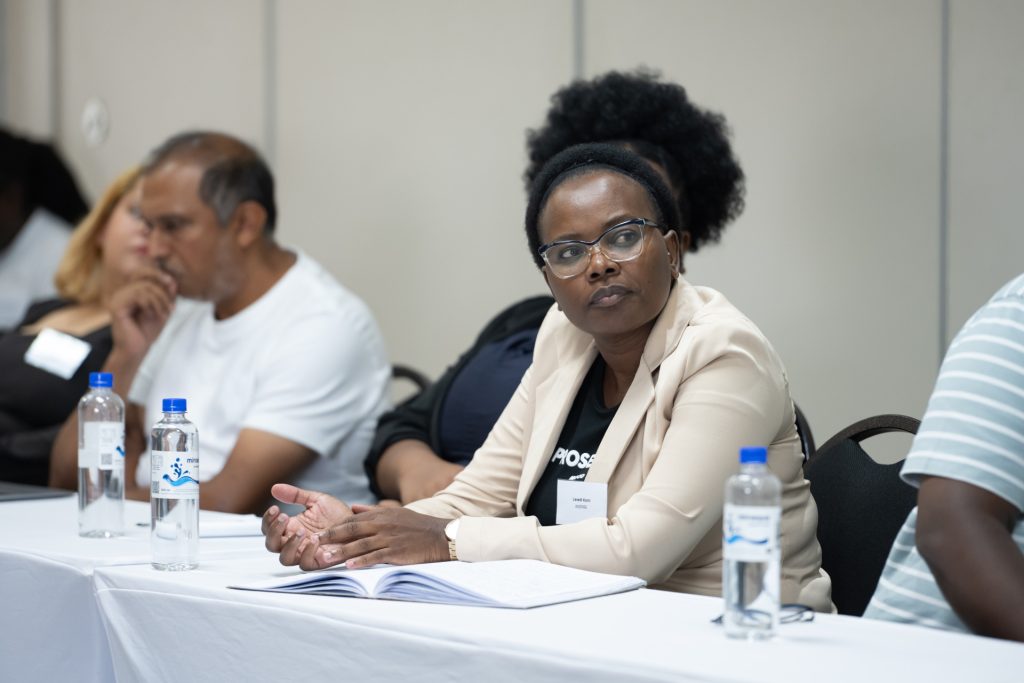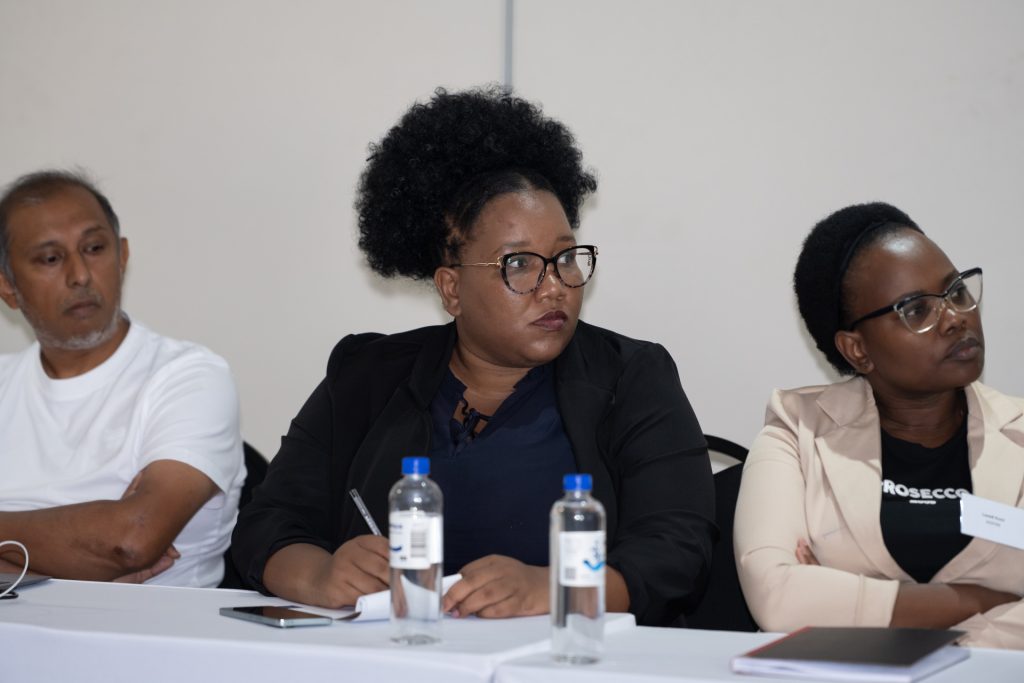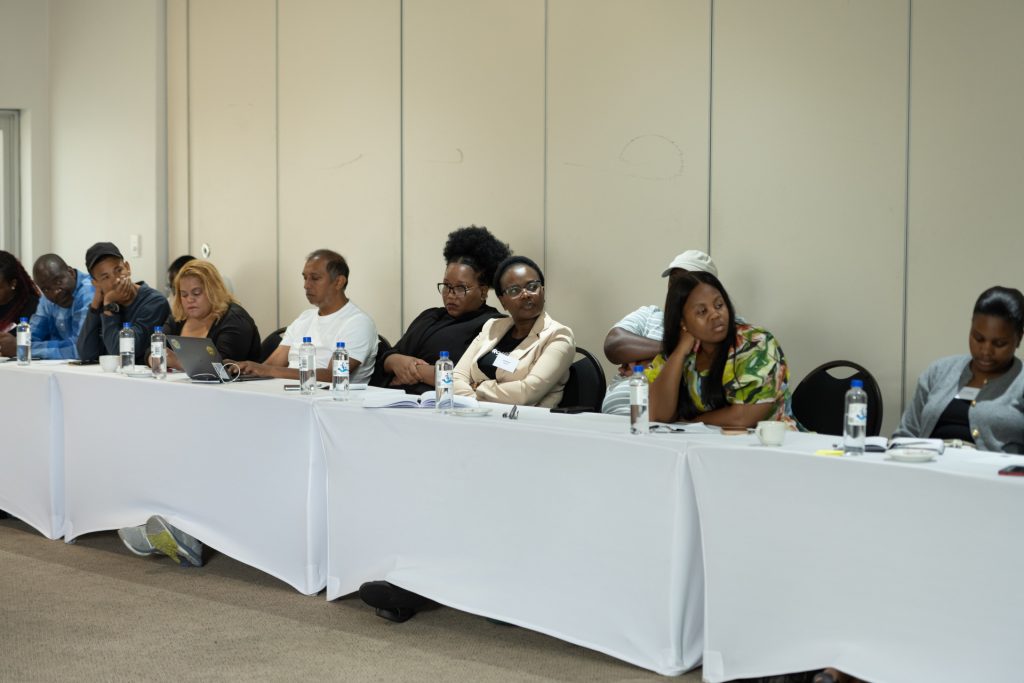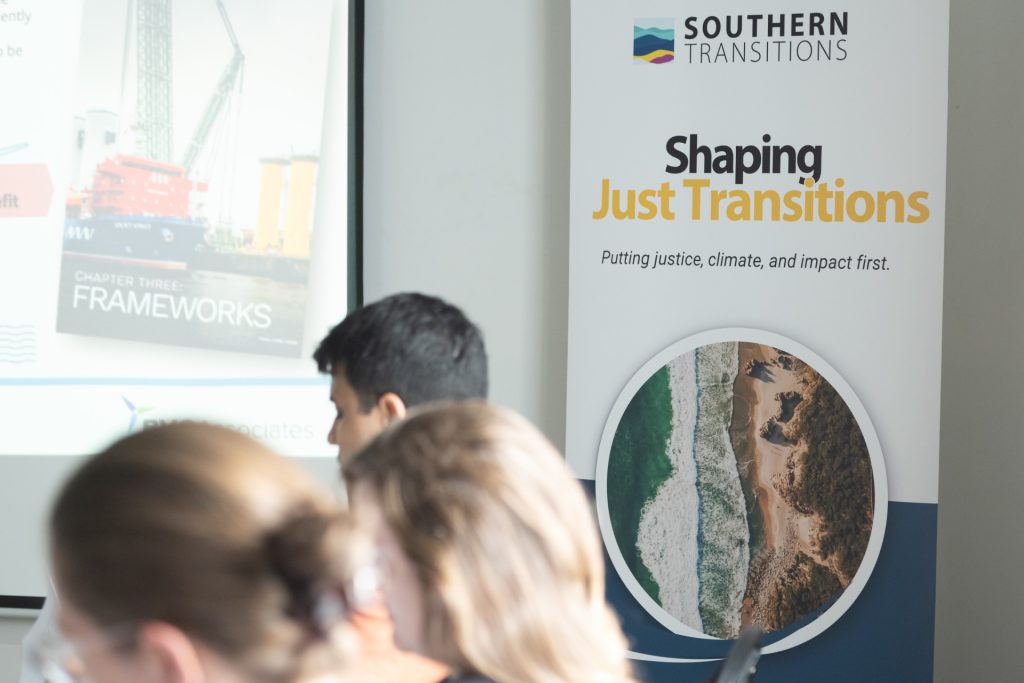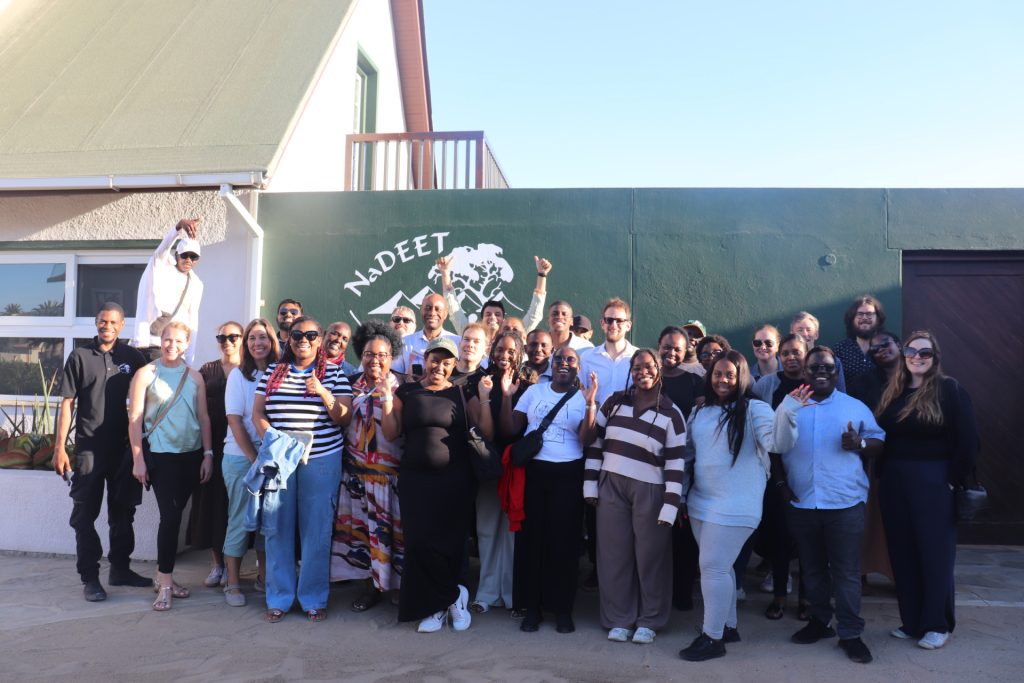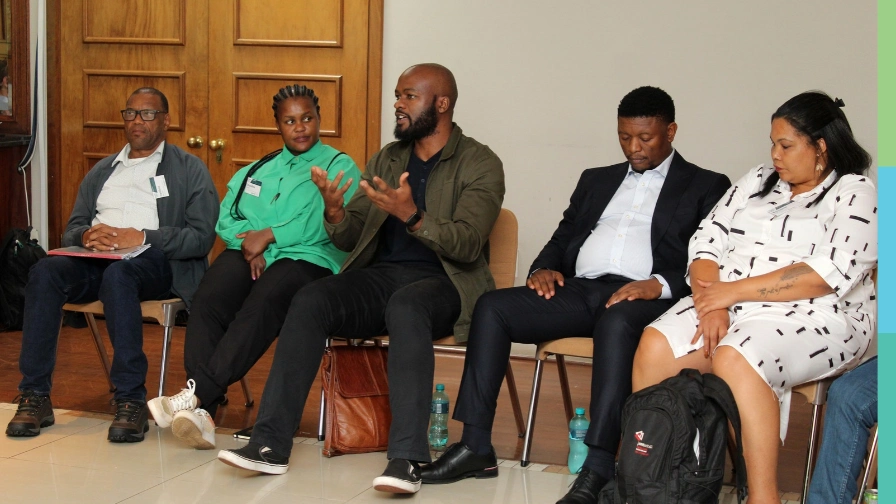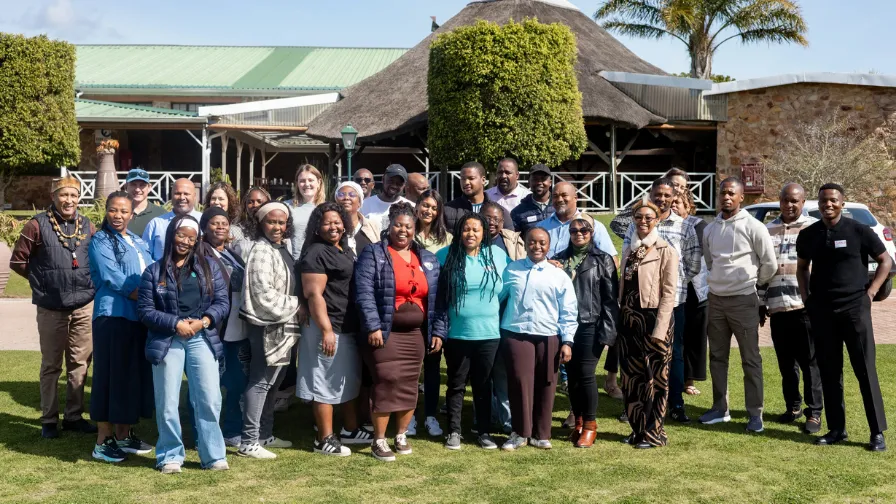
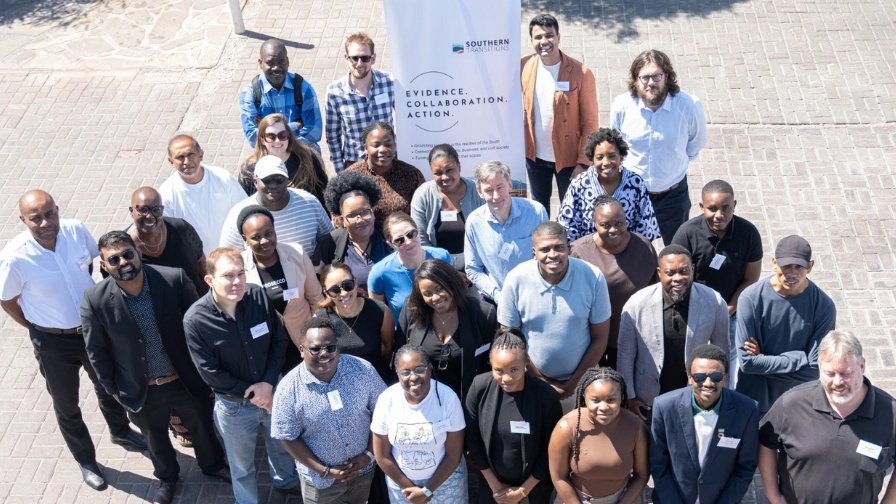
From 23-25 February 2026, INSPIRE was represented by Lesedi Komi at the Southern Transitions convening in Walvis Bay, Namibia. Hosted with the Institute for Public Policy Research under the theme “Advancing Green Industrialisation in Southern Africa: Understanding and Building Offshore Wind Pathways for Just Transitions”, the event brought together a range of stakeholders to explore offshore wind within Africa’s broader renewable energy transition.
Over three days, participants engaged in practical learning sessions, scenario discussions, site visits and collaborative planning activities.
Day One: Framing Offshore Wind and Its Cross-Cutting Themes
Day one focused on building a shared understanding of offshore wind and its wider implications. Offshore wind was described as renewable energy generated by turbines located in the ocean, supplying electricity to the grid.
Several key themes emerged:
Economic Diversification
- Economic diversification entails expanding beyond reliance on few sectors into multiple productive industries and adding value to natural resources.
- In this case, focus is coastal economies which include ports, fisheries, marine ecosystems, tourism, labour markets and infrastructure.
- Offshore wind should not be treated as a standalone solution, but to situate it within broader energy system transitions.
Regional Integration
- Offshore wind is more effective when developed through regional cooperation.
- Electricity demand is expected to increase, hence the need to tap in this energy generating source.
- Energy affordability must be considered, to ensure just transition
Infrastructure and Long-Term Planning
- Construction may take around 10 years, followed by 20–30 years of operation.
- Infrastructure readiness is critical to avoid delays and financial risks, thus the need for specialised infrastructure.
- Roadmaps and feasibility studies reduce uncertainty, assess viability and guide the development.
Policy and Regulatory Framework
- Offshore wind needs long-term planning aligned with national energy, economic diversification and renewable goals.
- Licensing, permitting and cross-ministry coordination are challenging and costly.
- Policies must link offshore wind to green value chains, marine tourism, aquaculture and shipping.
Community Engagement and Stakeholder Mapping
- Stakeholder mapping is a critical tool to identify relevant groups.
- Trust has been weakened in some communities due to past projects.
- Expectations around job creation are sometimes exaggerated.
Value Chains
- Offshore wind requires specialised technical skills.
- Skills development and labour transition strategies are necessary.
- Communities want to participate in procurement and supply chains.
Environmental and Livelihood Considerations
- Marine ecosystems may be affected, hence the need for marine spatial planning and EIAs to minimise environmental impacts and protect livelihoods.
- Small-scale fishers may face disruptions, potentially leading to displacement.
- Offshore wind development must consider coexistence with other ocean activities.
Day Two: Offshore Wind Development in Practice
Day two centred on the practical realities of offshore wind and its role in the regional economy.
A presentation by Mr Bruce Valpy explored the global market, key technologies and the importance of aligning strategy, policy, frameworks and delivery. He also compared development models and highlighted risks such as supply chain constraints, political uncertainty and spatial planning challenges.
Ms Jarredine’s presentation shifted the focus to economic diversification, showing how offshore wind and the ocean economy could support a just, low-carbon transition in Southern Africa. She emphasised the need for clear roadmaps, strong regulatory systems and regional collaboration, while noting barriers such as high costs and complex licensing processes.
Overall, the day reinforced the importance of integrated planning and a long-term, coordinated approach.
Day Three: Strategy, Finance and Implementation
The final day focused on strategy, finance and implementation. Discussions highlighted the need for specialised port infrastructure, strong transmission networks and significant upfront investment. Offshore wind was noted to be highly capital-intensive, requiring blended finance and careful risk management.
The importance of stakeholder engagement was again emphasised, particularly in securing public support and avoiding delays. Roadmaps and feasibility studies were seen as critical tools to guide decision-making, assess viability, and support phased development. A case study of the Gagasi Offshore Project in South Africa illustrated how pilot projects can test feasibility and reduce risk, while also highlighting the need for clear policy frameworks, regulatory alignment and grid readiness before scaling up.
Site Visits and Reflections
To conclude the convening, participants visited the Namib Desert Environmental Trust (NaDEET) Urban Sustainability Centre and Ocean Conservation Namibia. These visits provided insight into Namibia’s unique environmental context, while also highlighting the importance of marine spatial planning in offshore wind development.
“This conference really brought me back to why being a voice for people in the Social Performance space matters. It reinforced that offshore wind is not a simple or single solution, but part of a broader strategy for economic diversification. A key takeaway for me is the critical role of early stakeholder mapping and meaningful engagement, especially with local communities to ensure that benefits are shared equitably and livelihoods are protected. This connects directly to what I do on the ground and I’ll keep making early, inclusive engagement a priority.”
Thank you Lesedi Komi for representing us at this convening.