Earlier this year INSPIRE gathered 160 stakeholders in Johannesburg for a highly anticipated Learning Event on the RE Community Trusts ecosystem. The event titled, INSPIREd Community Trusts: Building an Ecosystem for Community Ownership to Thrive, brought together REIPPPP trusts, IPP and Industry associations, academia, NGOs, financiers, mining trusts, government and donors to explore what it takes to ensure that community ownership models in the renewable energy sector are sustainable, inclusive, and impactful.
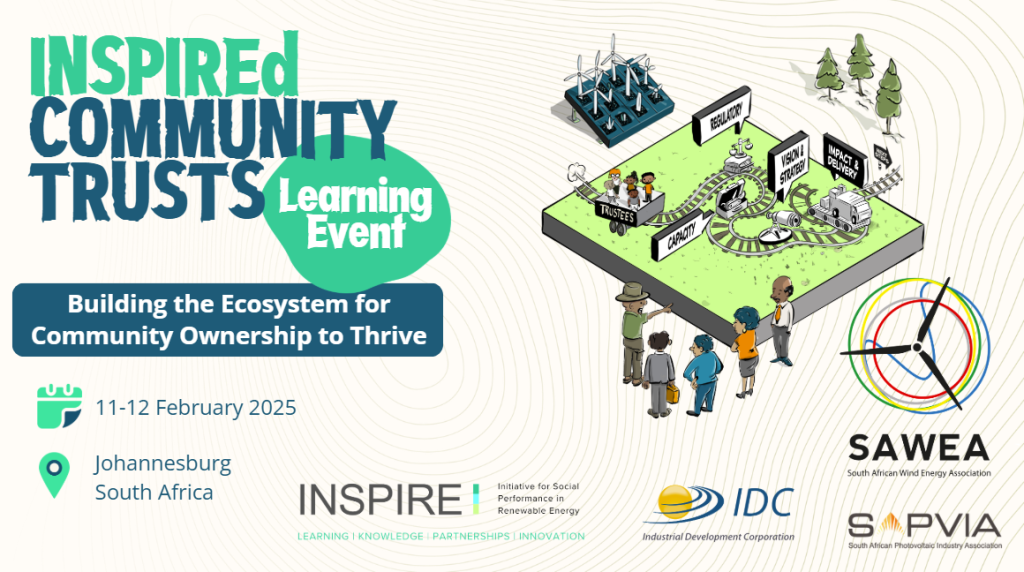
Over 2 days, participants were engaged with 25 speakers, fireside chats, panels and practical workshops to explore new resoruces and tools created by INSPIRE, as well as share expereinces and strengthen ecosystem relationships.
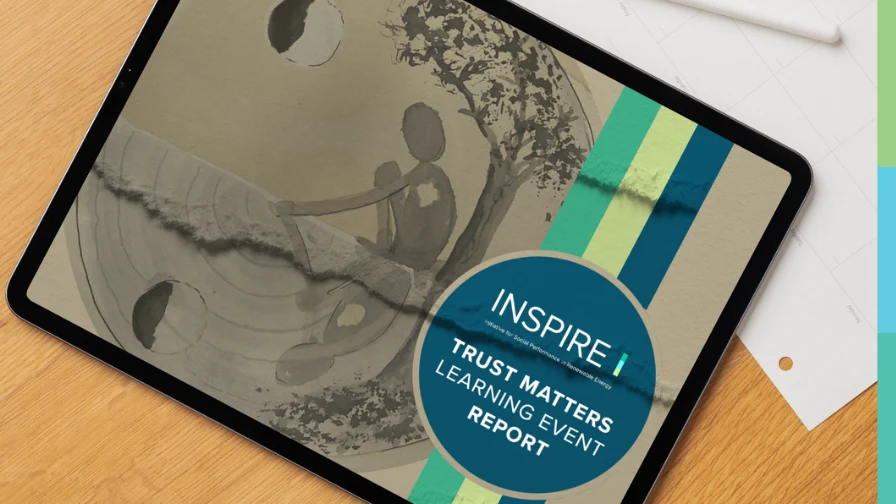
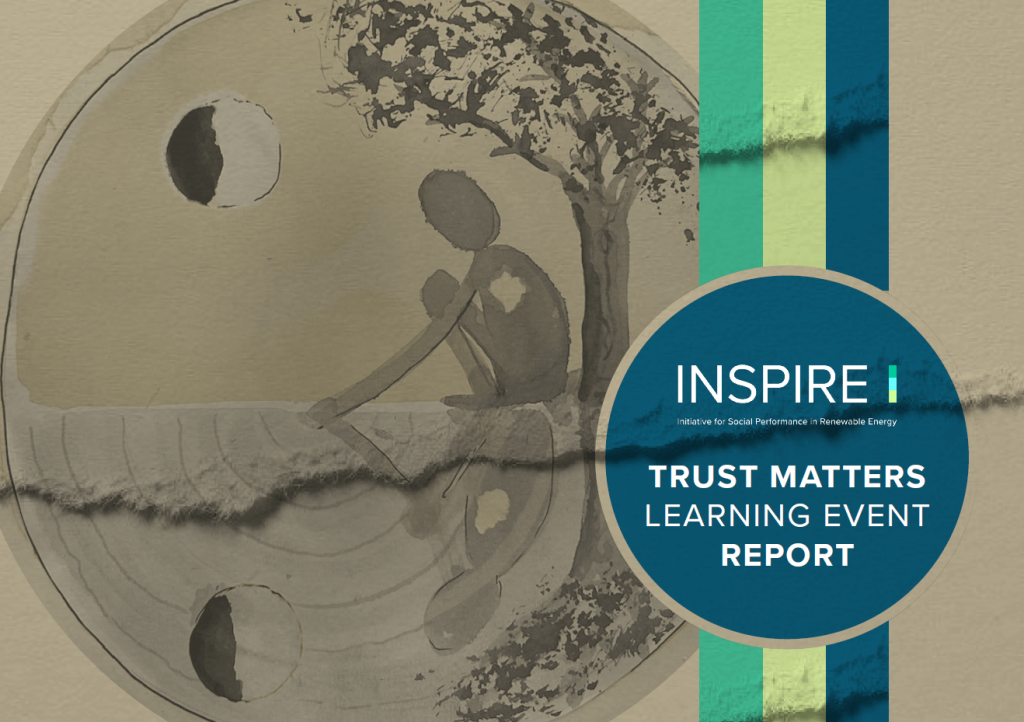
To summarise the event, we have compiled a report that highlights the impactful 2-day learning event. The report is now ready for your viewing and download.
About the Learning Event
The event was facilitated by Alison McCallum of Social Resonance who undertook to create a space imbued with the principles of respect, compassion, curiosity, courage and confidentiality.
The event included more than 20 sessions, weaving together a variety of facilitation methodologies and approaches from plenary discussions and panels to small group sessions, workshops, video screenings and even artmaking, sense-making and social sessions.
Building Capacity
Attendees were exposed to a variety of capacity building workshops, including:
DAY 1: Building capacity for Trust Governance, Refinancing of Trusts, Trust Strategy Development and Collaboration in Complex Contexts
Participants could choose from four capacity-building breakaway sessions designed to strengthen community trusts in different ways. One session focused on trust governance, exploring the essential people, processes and tools required to manage a trust effectively and maintain strong legal, corporate and financial compliance. Another session unpacked the practicalities of refinancing trusts, including why refinancing matters, how the process works, and key financial and legal considerations. A third session drew on the experience of the Mulilo Trusts to showcase how trusts can develop comprehensive, long-term strategies guided by the Trust Maturity Framework to remain resilient and responsive to community priorities. The final session addressed collaboration in complex contexts, helping participants identify psychological, cultural and logistical factors that support or hinder collaboration, and equipping them with practical approaches to strengthen partnerships moving forward.
DAY 2: Building Capacity for Measuring to Assess and Ensure impactful Trust delivery, Selecting appropriate operating models, Making education investments more strategic and Implementing the Trust Maturity Self-Assessment Toolkit
On Day 2, attendees could select from four targeted capacity-building sessions aimed at strengthening trust performance and impact. One session focused on the evolving role of monitoring and evaluation in ensuring effective Social and Economic Development (SED) and Enterprise Development (ED) project delivery, including the strengths and limitations of current measurement models. Another explored how to choose the most suitable operating model for a trust, drawing on Tshikululu’s extensive experience and benchmarking insights. A third session brought together education-focused trusts and partners to discuss more strategic, collaborative investment approaches, supported by the Theory of Change framework. The final option provided a hands-on introduction to the Trust Maturity Self-Assessment Tool, guiding participants through practical application, peer learning, and strategies to support ongoing trust development and planning
There were over 20 sessions, the rest of the titles/topics of discussions can be found in our report!
Trust Matters: Story of Origin
Our Learning Event kicked off with the screening of a video that traces the origin story of the renewable energy sector, moving from global developments to local realities and explores the full spirit of community ownership. It situates the challenges of this work within the context of intergenerational trauma stemming from colonisation, apartheid, and exclusion, as well as the disproportionate economic burden climate change places on the Global South. The video also highlights how INSPIRE is engaging globally to learn from and shape a shared vision, while fostering local, multisectoral and multistakeholder learning spaces. As such, it served as an important scene-setting piece for the workshop.
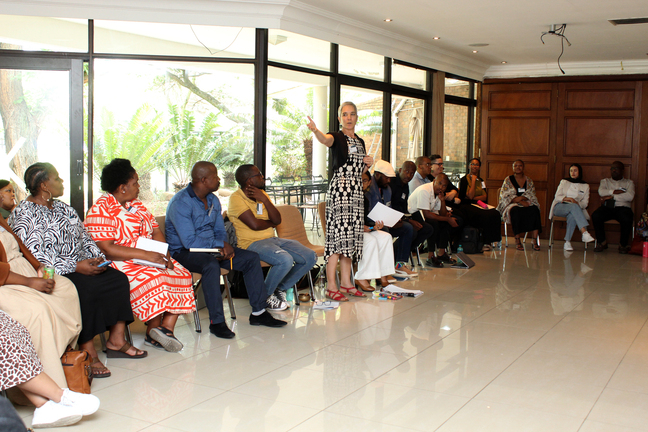
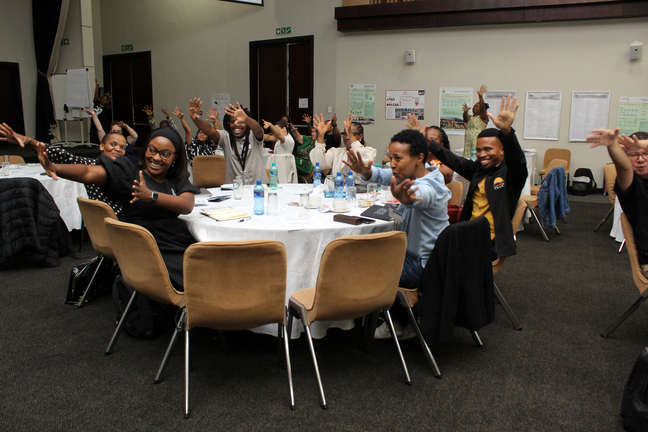
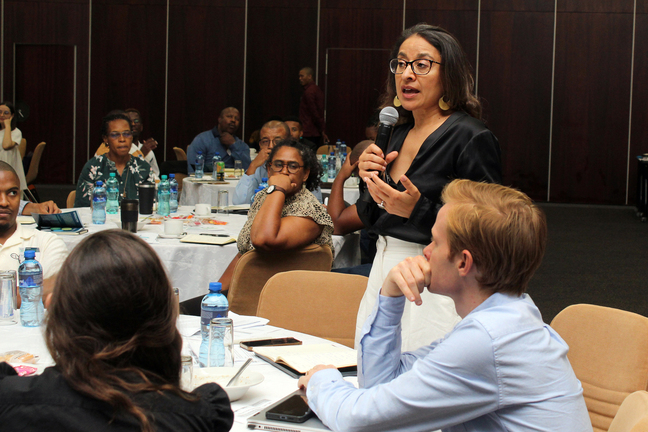
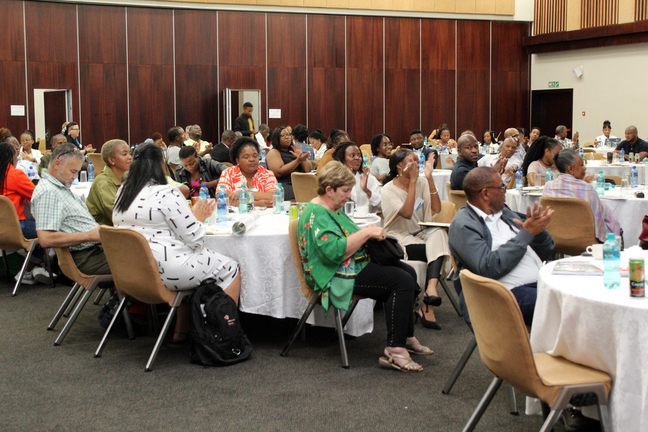
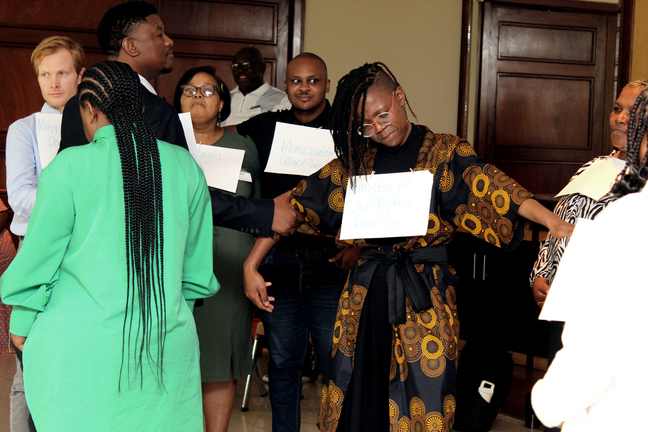
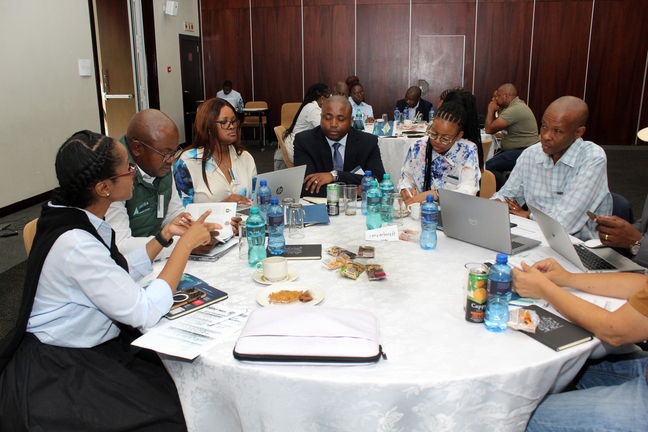
The event was a success, with participants echoing the impact of the two-day event, ‘“With what I’ve seen in the room over two days, there’s a brighter future’’ and another saying “It was good to meet up with industry colleagues, service providers and partners in community development. Even better was hearing and picking up valuable lessons from colleagues in other industries, especially the mining sector who have walked a mile in the community trust space. We are learning, picking up tips on how to be better at managing the complexities of partnering and collaborating in ensuring communities reap the benefits of our existence in their space. We got the opportunity to be vulnerable with one another, pat one another’s back in knowledge that we will be ok. Our hearts and energy are in the right place. Let’s not be too hard on ourselves, we have done well in realising that we need to talk and collaborate more. Thank you to everyone who attended, I learnt a lot in the two days.”
This event would not have been possible without the support of our partners: the IDC, SAWEA, and SAPVIA.
INSPIRE also extends its gratitude to all the guest speakers and panellists who shared their insights, as well as to the broader team of professionals whose hard work contributed to the success of the event.
Our sincere thanks also go to the team that designed and delivered the programme, including Social Resonance, Embedding Impact, Towards Uhuru, the Centre for Mental Wellness and Leadership, and Lekwape Consulting.
We look forward to hosting our 2026 learning event and to continuing our collaboration as we advance the work in this space!
